Buying in Dubai from Britain usually means sending one of the largest payments of your life to another country. Most problems we see aren't about the property. They come from how the money travels: a spoofed email that changes the bank details, a provider whose protections the buyer never checked, or a currency move that adds thousands of pounds between booking and completion.
This guide explains how to move money from the UK to Dubai safely when you buy property. It uses official sources: the Financial Conduct Authority (FCA), the Financial Services Compensation Scheme (FSCS), the Payment Systems Regulator (PSR) and GOV.UK on the UK side, and the Dubai Land Department (DLD), the Central Bank of the UAE and the UAE Ministry of Economy on the Dubai side. It is general information only, not financial, legal or tax advice. Speak to a UK financial or tax adviser about your own situation before you move large sums.
Our Chief Sales Officer, Nikhil Wadhwa, has lived in the UK, and British clients often ask him the same thing before they ask about the property: "How do I get my money there without anything going wrong?" This guide is our answer.
Exchange rate used in this guide: GBP 1 = AED 4.81, the mid-market rate on 26 November 2026 (FloatRates 4.812 on 26 November and ExchangeRate-API 4.812 on 25 November; the European Central Bank's 25 November reference rates give GBP 1 = USD 1.306, which is AED 4.80 at the dirham's fixed peg of USD 1 = AED 3.6725). GBP figures are rounded and for illustration only. The rate you actually get will be lower than mid-market once your provider adds its margin.
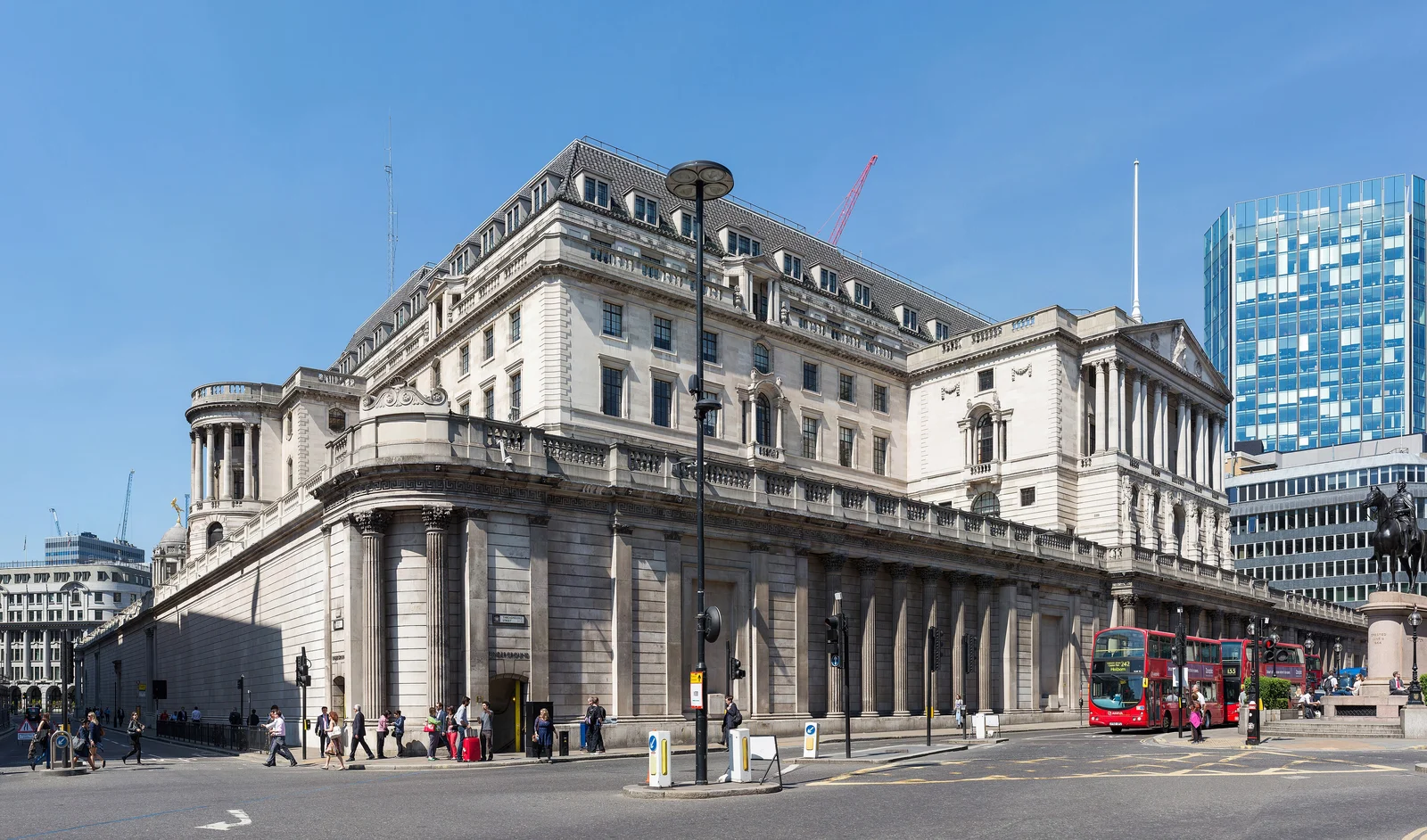
Credit: Diliff, via Wikimedia Commons, CC BY-SA 3.0
The Short Answer
| Best way to send | A bank transfer from a UK bank, or through a payment firm authorised by the FCA, straight to the account named in your contract or by DLD rules |
|---|---|
| Where off-plan money goes | Only into the project's escrow account, under Dubai Law No. 8 of 2007 |
| Where ready-property money goes | To the seller (and the seller's bank if there's a mortgage) at transfer, at a DLD Real Estate Registration Trustee office. DLD's own fees can be paid by ePay, Dubai Pay, Noqodi wallet or manager's cheque |
| Biggest gap in UK protection | UK scam reimbursement rules (up to £85,000) cover payments between UK accounts, not international payments |
| Never use | Suitcases of cash, crypto you can't fully document, or bank details sent in an email you didn't verify by phone |
| Paperwork to prepare | Proof of where the money came from: bank statements, savings records, income records, mortgage or loan agreements, or sale documents from a property you sold |
How Much You Will Actually Send
Before choosing how to send money, work out how much. On a ready (resale) home, the buyer usually pays the price plus the DLD registration fee. DLD's sale registration service lists the fee as 2% from the buyer and 2% from the seller, and Dubai's fee law (Executive Council Resolution No. 30 of 2013) says the split is equal unless the parties agree otherwise. Many contracts put the full 4% on the buyer, so check yours. DLD also lists small title deed, map, knowledge and innovation fees, and a trustee office fee of AED 4,000 plus VAT for sales of AED 500,000 or more.
The table below uses current DXBinteract median prices for one-bedroom apartments in areas popular with British buyers, and assumes the buyer pays the full 4%.
| Area (1-bed apartment) | Median price | Price per sq ft | Gross rental yield | DLD fee (4%) | Total to send incl. trustee fee |
|---|---|---|---|---|---|
| Jumeirah Village Circle (JVC) | AED 1,100,000 (GBP 229,000) | AED 1,410 | 8% | AED 44,000 (GBP 9,100) | AED 1,148,200 (GBP 239,000) |
| Dubai Marina | AED 1,464,000 (GBP 304,000) | AED 1,820 | 7% | AED 58,560 (GBP 12,200) | AED 1,526,760 (GBP 317,000) |
| Dubai Hills Estate | AED 1,650,000 (GBP 343,000) | AED 2,280 | 7% | AED 66,000 (GBP 13,700) | AED 1,720,200 (GBP 358,000) |
| Business Bay | AED 2,000,000 (GBP 416,000) | AED 2,390 | 7% | AED 80,000 (GBP 16,600) | AED 2,084,200 (GBP 433,000) |
| Downtown Dubai | AED 2,200,000 (GBP 457,000) | AED 2,580 | 6% | AED 88,000 (GBP 18,300) | AED 2,292,200 (GBP 477,000) |
| Palm Jumeirah | AED 3,300,000 (GBP 686,000) | AED 3,010 | 7% | AED 132,000 (GBP 27,400) | AED 3,436,200 (GBP 714,000) |
Source: DXBinteract (Dubai Land Department transaction data), as of November 2026. Fees from DLD's property sale registration service. Total = price + 4% DLD fee + trustee fee of AED 4,200 (AED 4,000 + 5% VAT). Small DLD title deed and map fees, agency fees, mortgage costs and service charges are extra. GBP at GBP 1 = AED 4.81 (26 November 2026).
Buying a new-build off-plan instead? You pay in stages, so you will send several smaller transfers over the build. Our guide to off-plan payment plans for UK buyers explains how each stage works.
Step 1: Choose a Regulated Way to Send
UK buyers usually send money in one of two ways: through their UK bank, or through a non-bank payment firm such as a money transfer company or e-money account. Both can be safe. They are protected in different ways, and the FCA says you should understand that before you choose.
| Provider type | FSCS protection if the firm fails | Must safeguard your money | Financial Ombudsman complaints |
|---|---|---|---|
| UK bank or building society | Yes, up to £120,000 per person per banking licence | No (protected by FSCS instead) | Yes |
| Electronic money institution (EMI) | No | Yes | Yes |
| Authorised payment institution (API), e.g. most money remitters | No | Yes | Yes |
| Small payment institution (SPI) | No | No, so ask what protection it offers | Yes |
Source: FCA, "Using payment service providers"; FSCS deposit protection limit (raised from £85,000 to £120,000 on 1 December 2025).
Three practical checks:
- Look the firm up on the FCA Register using the legal company name, not just the brand. The FCA notes that brand names are not always listed, and the operating company is normally named at the bottom of the website or in the terms and conditions.
- Understand safeguarding. If an EMI or API fails, the FCA says you should get most of your money back through safeguarding, but it may take time and may not be the full amount. So don't leave a large balance sitting with a payment firm longer than you need to.
- Use FSCS's temporary high balance cover. If you are selling a UK home to fund the purchase, FSCS protects certain temporary high balances up to £1.4 million for six months at a UK bank or building society. Proceeds from a home sale are one of the life events it covers.
Step 2: Know Where UK Protection Ends
Since 7 October 2024, UK payment firms must reimburse most victims of authorised push payment (APP) fraud, where you are tricked into sending money to a fraudster, up to £85,000 per claim. But the PSR's rules apply to Faster Payments and CHAPS transfers between UK accounts. Its policy statement says the requirement does not apply to international payments.
For a Dubai buyer, that means two things:
- A payment to a UAE account is generally outside the UK reimbursement scheme. Once the money leaves the UK, you can't rely on getting it back from your bank if you sent it to a fraudster.
- Even inside the UK, £85,000 is the cap, which is often less than a Dubai deposit or completion payment.
So the most important protection is not sending money to the wrong place in the first place.
Step 3: Send Money Only to the Right Account
Off-plan: the project escrow account
Under Dubai Law No. 8 of 2007, a developer selling off-plan must open an escrow account for that project with a DLD-approved escrow agent, and buyers' payments go into it. The money is ring-fenced for building that project. DLD's investor guide tells buyers to check before signing that the project is registered with the Real Estate Regulatory Agency (RERA), and to get the escrow account number and the escrow agent's name.
The rule is simple: every instalment goes to the project's escrow account, never to a personal account, a sales agent or a "new" company account, however urgent the request sounds.

Credit: Jpbowen, via Wikimedia Commons, CC BY-SA 4.0
Ready property: completion at a trustee office
Resale transfers are registered at a DLD Real Estate Registration Trustee office. DLD's sale registration page says non-resident foreigners can use a valid passport, and lists ePay, Dubai Pay, Noqodi wallet and manager's cheque as ways to pay DLD's fees. Payments to the seller (and to the seller's bank, if the home is mortgaged) are agreed in the sale contract. Get the exact beneficiary names and amounts in writing well before transfer day.
Payment fraud checks that cost nothing
- Confirm bank details by phone on a number you already have (from the contract or the developer's official website), never one in the email asking for payment.
- Treat any change of bank details as a red flag until you've confirmed it by phone.
- Match the beneficiary name to the developer's escrow account, the seller or DLD.
- Consider a small test payment before a large one, and confirm it arrived.
- Keep every receipt and SWIFT confirmation. You will need them for source-of-funds checks, for DLD and, later, for UK tax records.
Step 4: Don't Use Cash or Undocumented Crypto
Carrying cash is the riskiest way to fund a purchase, and it creates paperwork at both ends:
| Rule | Threshold | Source |
|---|---|---|
| Declare cash when travelling between Great Britain and a country outside the UK | £10,000 or more | GOV.UK, "Take cash in and out of the UK" |
| Declare cash and other valuables when entering or leaving the UAE (through ICP's Afseh service) | Over AED 60,000 (GBP 12,500) | UAE government portal (u.ae); ICP |
| Real estate agents and brokers must report freehold purchases paid partly in cash | AED 55,000 (GBP 11,400) or more, in one payment or several | UAE Ministry of Economy Circular 5 of 2022 and 2026 guidance |
| Real estate agents and brokers must report purchases paid with, or funded from, virtual assets (crypto) | Any amount | UAE Ministry of Economy Circular 5 of 2022 and 2026 guidance |
GBP at GBP 1 = AED 4.81 (26 November 2026).
A traceable bank transfer is simpler, safer and easier to explain.
Step 5: Prepare Your Source-of-Funds Evidence
The UAE Ministry of Economy's March 2026 anti-money-laundering guidance tells real estate agents and brokers to check, in every property transaction, that the funds are legitimate and match the buyer's profile, and to apply closer checks to high-value and cross-border deals. It lists acceptable evidence as including bank statements, loan or financing agreements, proof of savings, income records and documents from previous property sales.
Your UK bank or payment firm may also ask what a large transfer is for. Gather the evidence before you start:
- Recent statements for the account the money is sent from
- Payslips, accounts or tax returns that show your income
- The completion statement if you sold a UK property
- Mortgage or loan offers if you borrowed any of the money
- A letter and bank statements from family members if part of the money is a gift
Step 6: Manage the Currency Risk
The UAE dirham is pegged to the US dollar at AED 3.6725, a peg the Central Bank of the UAE maintains. Sterling floats, so the pound moves against the dirham whenever it moves against the dollar.
Our own published rates show how quickly that adds up. On 5 November 2026 we used GBP 1 = AED 4.95; on 26 November 2026 it is 4.81. A AED 1,500,000 purchase cost about GBP 303,000 at the first rate and about GBP 312,000 at the second, a difference of roughly GBP 9,000 in three weeks.
Ways UK buyers manage this:
- Compare the full cost. Compare each provider's rate with the mid-market rate on the day, as well as any fixed fee. A small difference in the rate matters more than the fee on a large transfer.
- Ask about fixing a rate in advance. Some providers offer forward contracts that lock in a rate for a future payment date. That can suit an off-plan schedule, but ask exactly how your money is protected before you agree.
- Budget with a buffer for instalments months or years away, so a weaker pound doesn't leave you short at handover.
Step 7: Check the UK Tax Side of Raising the Money
Sending your own money abroad is a payment, not a sale. But how you raise the money can have UK tax consequences:
- Selling investments or a second UK property to fund the purchase may create a Capital Gains Tax bill.
- Money gifted by parents or other family may count for Inheritance Tax if the person who gave it dies within seven years. GOV.UK explains the annual £3,000 gift exemption and the tapered rates for gifts made three to seven years before death.
- Once you own the property, rent from it is generally taxable in the UK if you are UK resident. Our guide to UK tax on Dubai rental income covers that.
Tax rules depend on your own circumstances, so ask a UK tax adviser before you move or gift large sums.
A Simple Checklist
- Agree the property, price and payment schedule in writing.
- Get the escrow account details (off-plan) or the exact transfer-day payees (ready property) in writing.
- Check your provider on the FCA Register and compare rates against mid-market.
- Gather source-of-funds documents.
- Confirm bank details by phone, then send a small test payment.
- Send the main payment and keep every confirmation.
- Keep records for UK tax, for future resale and for any Golden Visa application.
Related Guides for UK Buyers
- Ultimate guide to buying property in Dubai for UK buyers
- Off-plan payment plans explained for UK buyers
- Dubai vs London rental yields
- UK tax on Dubai rental income
- UAE Golden Visa for British buyers
- Understanding Dubai property taxes
This article is general information based on official sources checked on 26 November 2026. Rules, fees and rates change; confirm the current position with your bank or payment provider, the Dubai Land Department and a qualified UK adviser before acting.
Frequently Asked Questions
What is the safest way to send money from the UK to Dubai to buy property?
- Use a bank transfer from a UK bank or a payment firm authorised by the FCA, sent straight to the account set out in your contract: the project escrow account for off-plan, or the agreed payees at transfer for a ready home. Confirm the bank details by phone on a number you already have before you send anything.
Is my money protected if I use a money transfer company instead of a bank?
- Money held with an e-money institution or authorised payment institution is not covered by the FSCS, but the FCA requires these firms to safeguard customer funds, so you should get most of it back if the firm fails, though it may take time. Small payment institutions don't have to safeguard. Check the firm's legal name on the FCA Register.
Will my UK bank refund me if I am scammed when paying for Dubai property?
- Probably not under the UK's mandatory reimbursement rules. Since 7 October 2024 they cover Faster Payments and CHAPS transfers between UK accounts up to £85,000, and the Payment Systems Regulator says they do not apply to international payments. Prevention is your main protection.
Where should I pay for an off-plan property in Dubai?
- Into the project's escrow account. Under Dubai Law No. 8 of 2007, developers selling off-plan must open an escrow account for each project with a DLD-approved escrow agent, and buyers' payments go into it. Get the account number and escrow agent's name in writing and never pay into a personal account.
Can I take cash to Dubai to pay for a property?
- It isn't advisable. You must declare cash of £10,000 or more when travelling between Great Britain and a country outside the UK, and cash over AED 60,000 (about GBP 12,500) when entering the UAE. Real estate agents must also report purchases involving cash of AED 55,000 or more. A documented bank transfer is safer and simpler.
What documents will I need to show where my money came from?
- UAE Ministry of Economy guidance for real estate agents lists acceptable evidence including bank statements, loan or financing agreements, proof of savings, income records and documents from previous property sales. If family is gifting part of the money, prepare a gift letter and their statements too.
How does the exchange rate affect UK buyers?
- The dirham is pegged to the US dollar at AED 3.6725, but sterling floats, so your pound cost changes with GBP/USD. Between 5 and 26 November 2026 the mid-market rate moved from about AED 4.95 to AED 4.81 per pound, adding roughly GBP 9,000 to the cost of a AED 1.5 million home. Compare provider rates against mid-market and consider fixing a rate in advance.
Related reading
- Off-Plan Payment Plans in Dubai Explained for UK Buyers (2026 Guide)
- UK Tax on Dubai Rental Income: A 2026 Guide for UK Landlords
- UAE Golden Visa for British Buyers: The 2026 Guide to Getting Residency Through Dubai Property
- Dubai vs London Rental Yields in 2026: Prices, Rents and Purchase Taxes Compared for UK Investors
- Ultimate Guide to Buying Property in Dubai: UK Buyers' Step-by-Step Guide
Request details
Leave your details to download the details